France eSIM for Families: How to Stay Connected as a Group
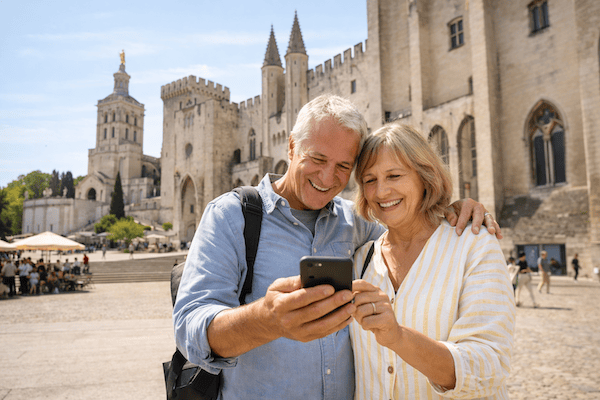
Planning a family trip to France is exciting. The Eiffel Tower, the Loire Valley chateaux, the Provence lavender fields, the creperies tucked into every other street in Paris. But somewhere between sorting the flights and arguing about which museum gets a full day, there is a connectivity question that most families leave to the last minute: how does everyone get a working phone number in France?
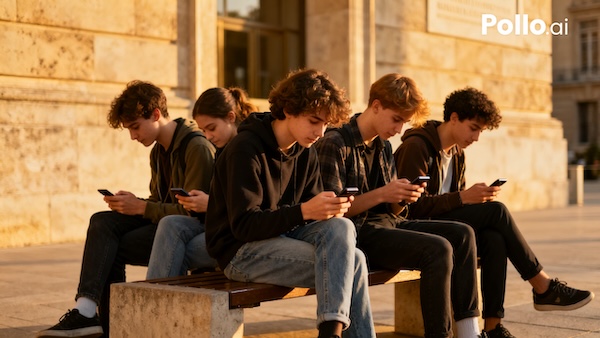
This is where a French eSIM with a real phone number changes everything. Not just a data plan, but an actual +33 French number that rings, receives SMS, and works independently for each person in your group. Getting this right before you leave home can be the difference between a stress-free holiday and a chaotic one, especially if you have teenagers who drift off on their own or grandparents who need to be reachable at all times.
If you already know what you need, you can head straight to france esim with number and pick a plan. If you want to understand exactly why every family member needs their own eSIM and their own French number, keep reading.
TL;DR
Each person in your family needs their own France eSIM with a dedicated +33 French phone number. Shared data plans sound appealing but they do not give everyone their own reachable number, which matters for OTP verification, hotel check-ins, and real-time coordination. Plans start from around 14.90 euros per person, making the per-person cost lower than most people expect. You can buy and install everything before you leave home.
Why One eSIM for the Whole Family Does Not Work
This is the first thing parents get wrong. They buy a single data plan, sometimes with a hotspot, and assume everyone can share it. For basic internet browsing, that works fine until four people are trying to use it at once at a busy train station. But there is a deeper problem that no hotspot can solve: each person needs their own phone number.
Think about the moments when that matters. Your teenager wants to book a last-minute tour in Montmartre. The booking platform sends an OTP verification code to their phone. If they are riding off your number, that code goes to you, and now you need to be in the same room, or at least on the same WhatsApp thread, for them to complete a simple online transaction. Multiply this across two or three kids, add in a partner who wants to manage their own Airbnb reservation, and you quickly see why shared numbers create friction.
A French phone number is also how local businesses and contacts reach you. If your family splits up to explore different neighbourhoods in Lyon, anyone can be called directly on their French number. No internet connection required. No app needed. Just a regular call or SMS, exactly like a local.
The OTP Problem: Why Each Family Member Needs Their Own Number
One-time passwords are everywhere now. Online banking, travel apps, museum ticket systems, government services, car rental confirmations. In France, many official and commercial platforms require a mobile number verification step before they let you proceed. If two people are sharing the same number, only one of them can use it for these verifications at any given time.
The workaround people attempt is to use their home number for OTPs. But international numbers can be rejected by French platforms, or the SMS arrives with a delay long enough that the code expires. With a genuine +33 France number loaded onto each person’s device via eSIM, OTP messages arrive instantly through the local network. No delays, no rejections, no juggling phones across a dinner table.
Independent reachability matters too. If your child is at the Louvre while you are at a patisserie two streets over, they need to be reachable on a number that anyone can call, not just people who already have their WhatsApp contact. Hotel staff, local tour guides, emergency services, even other family members on different devices, all of these situations benefit from each person having their own callable number.
How to Buy Multiple eSIMs for a Family Trip to France
The process is simpler than most people imagine. You do not need to visit a phone shop, deal with a carrier in French, or wait for anything to be shipped. Every eSIM is delivered digitally, usually as a QR code sent to your email within minutes of purchase.
For a family of four, you would buy four separate eSIMs, one for each device. Each purchase takes a couple of minutes on the website. After checkout, each family member receives their own QR code, scans it in their phone settings, and the eSIM is installed. The French number is available immediately. You can test it at home before you even board the plane.
The key thing to check beforehand is device compatibility. Most iPhones released from 2018 onwards support eSIM. Android devices vary more, so it is worth checking your specific model. Once you have confirmed compatibility, the actual purchase and installation takes less than ten minutes per phone.
Families who have done this before often recommend setting everything up at least a day before departure so that any questions can be resolved calmly at home rather than in an airport terminal.
Per-Person Cost Breakdown for a Family France eSIM
Cost is usually the first concern, and it is a fair one. Here is what the numbers actually look like for a typical family holiday in France.
For a 15-day trip, a France eSIM with 20GB of data and a real +33 French phone number costs 16.90 euros per person. For a 30-day trip with 30GB of data, the price is 24.90 euros per person. If you only need a number for a week without a large data package, that option starts at 14.90 euros for seven days.
For a family of four on a two-week holiday, the total connectivity budget comes to around 67.60 euros. That is less than the cost of a single nice dinner in Paris, and it covers four independently reachable French numbers with generous data for the whole trip. Compare that to international roaming charges from a home carrier, which can easily reach 10 to 15 euros per day per person, and the saving becomes very clear.
Older children and teenagers especially benefit from having their own data. Rather than draining a shared hotspot, each person manages their own usage. Parents often find that having individual plans actually reduces data-related arguments during the trip.
Which France eSIM Plan Works Best for Families
For most family trips, the 20GB plan at 16.90 euros is a solid starting point per person. Twenty gigabytes covers a fortnight of navigation, social media, streaming during travel days, and casual browsing without anyone needing to ration their usage.
If your family is planning a longer stay, or if you have heavy data users, the 30GB plan for 24.90 euros gives more breathing room. There is also a data-free option at 14.90 euros for seven days, which suits parents who primarily want a reachable number for coordination purposes and are happy to use hotel or cafe Wi-Fi for everything else.
All plans from france esim with number include unlimited calls and SMS to 39 European and UK regions. That means your child in Paris can call grandma in Ireland directly from their French number at no extra cost. It also means the family can call each other across different French cities if you are doing a road trip without burning through data.
Installation: Getting the Whole Family Set Up
Setting up four eSIMs sounds like a project, but with a bit of organisation it takes under an hour for a whole family. Here is a practical approach that works well.
Buy all four eSIMs in one session. The confirmation emails arrive quickly. Then sit everyone down with their phones and go through the installation one device at a time. On iPhone, go to Settings, then Cellular or Mobile Data, then Add eSIM, and scan the QR code from the email. The process is almost identical across modern Android devices, usually found in Settings under Connections or Network and SIM.
Once the eSIM is installed, it sits alongside the existing home SIM. The phone can use both. Calls and SMS come through the French number, data flows through the eSIM plan, and the home SIM stays in place for anything that needs the original number. Most people find that within France they barely use the home SIM at all.
One practical tip: label each person’s eSIM clearly in the phone settings before you travel. Modern phones allow you to name each SIM line, so calling them something like “France” avoids any confusion about which line is being used for data or calls.
Teenagers, Tweens, and Independent Reachability
If you travel with older children who are old enough to explore independently, this is where a dedicated French number becomes genuinely important from a safety standpoint, not just a convenience one.
Imagine your 16-year-old wants to spend an afternoon at a skate park in Bordeaux while you visit a wine estate nearby. With their own +33 number, they are reachable from any phone in France, including public payphones if it ever came to that. You can call them. They can call you. Emergency services can call them if needed, and they can contact any local service without language barriers around number formats.
Shared data plans and hotspot tethering do not give them this. For families with independent teenagers, a personal French eSIM with a number is a basic layer of practical safety during travel.
What Families Are Saying
Customer reviews for French eSIM services frequently mention families as one of the most enthusiastic user groups, and for obvious reasons. Parents who have tried the shared-hotspot approach on previous trips and switched to individual eSIMs almost universally prefer the latter. The main themes in reviews tend to be ease of setup, the relief of having everyone independently reachable, and the value compared to roaming charges.
Families visiting France for extended trips, including school holidays and summer stays of three to four weeks, also mention the comfort of having a local number that French contacts and landlords can use without any hesitation. A +33 number signals to local businesses that you are reachable and serious, which can matter when booking accommodation, arranging services, or dealing with anything administrative during a longer stay.
Practical Tips for Families Managing Multiple eSIMs
Before departure, confirm that every device is eSIM compatible and network unlocked. A phone locked to a home carrier may not accept a foreign eSIM.
Keep the QR code emails accessible. If something needs to be reinstalled, the QR code is what you need, and having it saved in a cloud folder everyone can reach is sensible.
Check that data roaming is enabled on the eSIM line once it is installed. This sounds obvious but it is the most common reason an eSIM appears to be installed but not working. The toggle is usually in the same Settings area where you installed the eSIM.
For families with younger children who do not manage their own devices, a parent can install the child’s eSIM and number on their device while keeping their own home SIM active. The child then has a dedicated French number for the trip without needing to manage settings themselves.
If you are planning to visit other European countries as part of the same trip, the coverage on these plans extends across 39 EU and UK regions. You do not need a separate plan for each country, which keeps costs and logistics simple for the whole family.
Buying Your Family’s France eSIMs: A Simple Checklist
Confirm each device is eSIM compatible and unlocked. Choose a plan based on trip length and data needs. Buy one eSIM per family member. Install each one at home before departure. Test by sending a text or making a brief call. Note each person’s French number and share it within the group.
That is genuinely all there is to it. The whole process is designed to be completed without any technical knowledge or French language skills. Everything from the purchase to the activation is in English, and there is no shop visit, no contract, and no commitment beyond the validity period of the plan you choose.
Ready to get started? You can compare all available plans and buy for your whole group directly at france esim with number. The plans are priced to make group purchases genuinely cost-effective, and activation starts the moment you scan the QR code.
Frequently Asked Questions
Can two family members share one France eSIM?
No, and this is by design rather than a limitation. An eSIM is tied to a single device and a single phone number. Sharing one eSIM between two people would mean only one of them has a reachable French number, and OTP messages would only arrive on one phone. For genuine independence and reachability, each person needs their own eSIM and their own number.
Do children’s devices support eSIM?
Most modern smartphones and tablets released in the past four to five years support eSIM technology. This includes iPhones from the XS and XR generation onwards, iPads with cellular connectivity, and many recent Android models from Samsung, Google, and others. If the device is older or a budget model, it is worth checking the manufacturer’s specifications before purchasing. Older phones can still connect to a family member’s eSIM hotspot for data if they are not eSIM compatible themselves.
What happens if we want to call each other within France?
All plans include unlimited calls and SMS across 39 European regions, which includes France itself. Calling another family member on their French +33 number from your French +33 number is included at no extra cost. You can also call each other using the French numbers over the standard cellular network, which works even without internet connectivity.
Can we keep our home SIM active at the same time as the France eSIM?
Yes. This is one of the main advantages of eSIM technology. Modern phones can run two SIM lines simultaneously, known as dual SIM functionality. Your home SIM stays in the phone and remains active. The France eSIM runs alongside it. You can choose which line handles data, calls, and SMS in your phone settings. Most families set the French eSIM as the default for data and calls while in France.
How long does it take to set up four eSIMs for a family?
With all four QR codes ready, installation takes roughly five to ten minutes per device. Setting up four phones from start to finish typically takes about 30 to 40 minutes if you do them one at a time. Buying all four eSIMs in a single session takes a few minutes on the website, and the QR codes arrive by email almost immediately.
Is there a family discount for buying multiple eSIMs?
Plans are priced individually and competitively. Even without a specific family bundle, the per-person cost at the standard plan pricing is already significantly lower than international roaming from most home carriers. A family of four covering a two-week trip pays less in total than most families spend on roaming in a single day of unmanaged data use abroad.
Can we use our French number to receive calls from home?
Yes. Your +33 French number can receive calls from anywhere in the world. People calling you from home simply dial your French number as an international call. If someone tries to reach you on your original home number, that line also remains active via your home SIM, so you are reachable on both numbers simultaneously.
What if someone runs out of data mid-trip?
If a family member uses their data allowance before the plan expires, they can purchase an additional plan. The number remains active regardless, so calls and SMS continue to work even if the data runs out. For families with heavy users, choosing the 30GB plan at the start of the trip is usually the simpler solution.