Holidays to Nepal: How to Plan the Perfect Himalayan Adventure
Why Nepal Should Be Your Next Holiday Destination
Nepal punches far above its weight as a travel destination. Sandwiched between India and Tibet, this small Himalayan nation holds eight of the world’s ten tallest mountains, a UNESCO-listed ancient capital in Kathmandu, and a wildlife diversity that rivals anywhere in South Asia. Whether you’re a first-time trekker or a seasoned adventure traveller, Nepal has a route, a valley, or a jungle trail calibrated exactly to your ambitions. And with flight connections improving from European hubs, getting there has never been more practical.
Choosing the Right Trek for Your Fitness Level
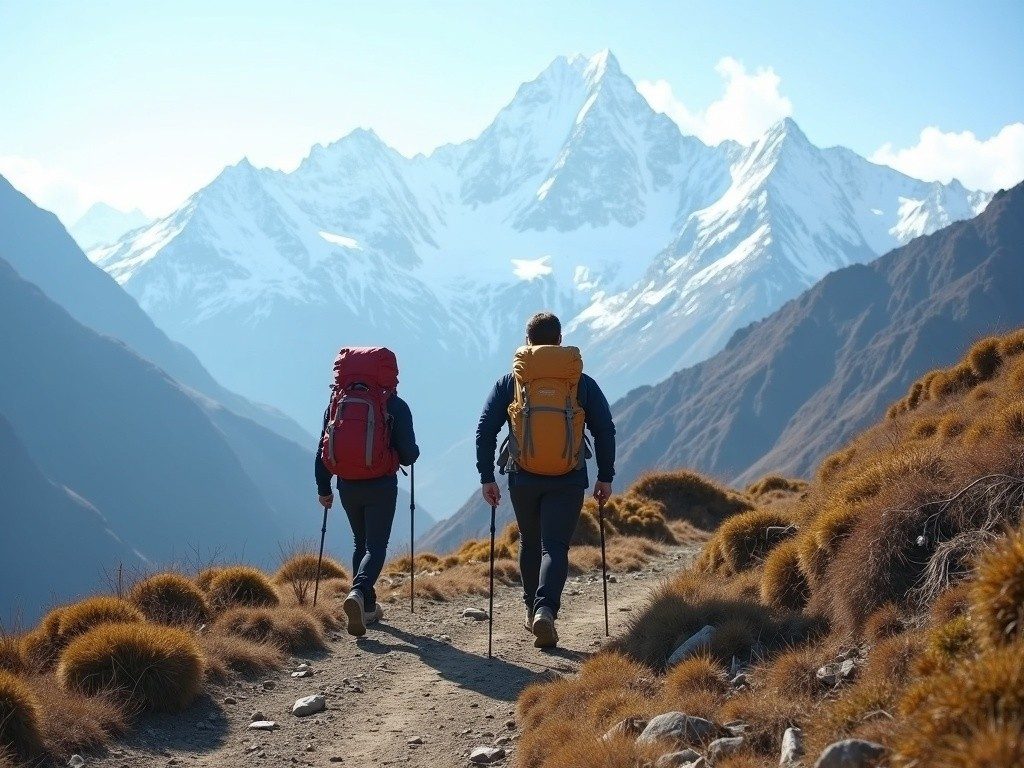
One of the most common mistakes travellers make is underestimating how varied Nepal’s trekking landscape really is. Options range from a single-day sunrise hike around Nagarkot to multi-week high-altitude circuits that cross remote passes above 5,000 metres. The Annapurna Circuit and Annapurna Base Camp routes are perennial favourites — they combine dramatic scenery with well-maintained teahouse trails, making them accessible to fit beginners. For those ready to push further, the Everest Base Camp trek remains the gold standard of Himalayan adventure, a 14-day journey that deposits you at the foot of the world’s highest mountain. Choosing the right route from the outset saves a lot of frustration on the trail.
What’s Included in a Typical Nepal Trekking Package
Booking through a specialist agency transforms the logistics from overwhelming to straightforward. Good Nepal trekking packages typically cover permits, airport transfers, accommodation along the route, and the services of an experienced local guide who knows the terrain and the culture intimately. That local knowledge is genuinely valuable — guides can spot altitude sickness early, redirect you around trail closures, and point you towards tea houses that don’t appear in any app. Packages also vary in group size, and many operators now offer fully customised itineraries for solo travellers or couples who want a more private experience.
Beyond Trekking: Wildlife, Culture, and River Adventures
Nepal’s appeal extends well beyond mountain trails. The Chitwan National Park in the southern lowlands offers jeep and walking safaris where one-horned rhinos, Bengal tigers, and gharial crocodiles are genuine sightings rather than rare luck. Pokhara, the gateway city to the Annapurna region, sits beside a reflective lake with paragliding, kayaking, and some of Nepal’s best café culture. Trishuli River rafting gives adrenaline seekers a full-day rapid ride without needing any prior experience. Kathmandu itself rewards at least two days of slow exploration — Boudhanath Stupa, Pashupatinath Temple, and the medieval squares of Bhaktapur are all within easy reach of the city centre.
Planning Practicalities: Seasons, Costs, and Booking Tips
The best trekking windows are October to early December and mid-March to May, when skies are clearer and temperatures on the trail are manageable. Monsoon season (June to August) brings lush greenery but heavy rain and occasional trail closures above certain elevations. Budget-wise, Nepal remains excellent value — a quality 10-day trek including permits, guide, and accommodation can come in well under $1,000 per person. Guided treks in Nepal often include 24/7 support throughout the journey, which matters enormously if you encounter altitude issues or need a last-minute itinerary change. Book at least two to three months ahead for peak season departures, and make sure your travel insurance explicitly covers high-altitude trekking.