France eSIM for Families: How to Stay Connected as a Group
The Connectivity Question Every Family Forgets Until the Airport
Flights booked, apartment reserved, museum tickets sorted. Then someone asks the question nobody planned for: when we land in Paris, how does each of us actually get online, and how do we call each other if we get separated? For most families, the answer gets improvised at the airport with expensive roaming or a single shared hotspot, and both options cause problems for the entire trip.
There is a better setup, and it takes less than an hour to arrange from your sofa at home. Each person in the family gets their own France eSIM with a real +33 French phone number. Not a shared data bubble, and not a data-only plan, but an individual local number for every phone in the group that rings, texts, and passes verification checks exactly like a French local’s SIM.
If you already know what you need, go straight to france esim with number and pick a plan per person. If you want to understand why one eSIM per family member beats every shared alternative, this guide covers the whole picture: costs, setup, teenagers, OTP codes, and the small details that make a family trip run smoothly.
TL;DR
Buy one France eSIM per family member, each with its own +33 number. Prices start at 17.90 euros for a 20GB/15-day plan, and a 30GB/30-day plan (with an extra 5GB of France data) is 29.90 euros. A family of four covers a two-week trip for around 71.60 euros total, far below typical roaming charges. Everyone becomes individually reachable by phone and SMS, verification codes arrive on the right device, and the whole setup can be installed and tested at home before departure.
Why a Shared Data Plan Fails a Family
The default plan most parents reach for is one data package shared through a hotspot. It looks economical on paper, and it works until the moment the family does what families on holiday always do: split up.

France eSIM with a real +33 number
Unlimited calls and SMS, data included. QR code by email — active in minutes. Official Bouygues Telecom partner.
20GB · €22,90 ›30GB · €29,90 ›60GB · €34,90 ›
★ 5.0 on Google · 12 months to activate · 3-month refund guarantee
A hotspot only works when everyone stays within a few metres of the phone carrying it. Send a teenager to the boulangerie, let one parent take the kids to the carousel while the other queues at the Musee d’Orsay, and the shared connection is gone for whoever walked away. No maps, no messages, no way to say the queue is two hours and we are going for ice cream instead.
The deeper flaw is that a shared plan means a shared phone number, or no number at all. Data-only plans cannot receive a phone call or an SMS. That single limitation touches more of a family trip than most people expect, and it is the reason the number matters as much as the data.
The OTP Problem: One Number Cannot Verify Four People
One-time passcodes now guard almost everything: booking platforms, banking apps, ticket systems for museums and attractions, car rental confirmations, even some public Wi-Fi logins. Many French platforms insist on a mobile number before they let a booking through, and some reject foreign numbers outright or deliver the SMS so slowly the code expires.
Now picture a family sharing a single number. Your teenager tries to book a Montmartre walking tour and the verification code lands on your phone, in your pocket, on the other side of the city. Your partner tries to message an Airbnb host from the same number you used to register the booking. Every verification becomes a group coordination exercise.
With an individual +33 number on each phone, codes arrive instantly on the device that requested them, over the local network. Each person books, verifies, and manages their own reservations independently. It is a small thing that removes a surprising amount of friction from every single day of the trip.
Reachability Is a Safety Feature, Not a Convenience
For families travelling with teenagers or tweens who are old enough for some independence, individual numbers stop being about convenience and start being about safety.
A 16-year-old spending the afternoon at a skate park in Bordeaux while you tour a wine estate is reachable on their own French number from any phone in the country. You can call them, they can call you, and a hotel receptionist, tour guide, or emergency service can reach them directly. None of that requires internet, an app, or a charged hotspot back at the apartment. It is an ordinary phone call on an ordinary local number.
Grandparents travelling with the group benefit the same way. A real number that rings is far more dependable for the least tech-inclined members of the family than any messaging app.
What It Costs Per Person
The per-person maths is the part that surprises families most, because individual plans sound like they should cost four times as much as a shared one. They do not.
A France eSIM with a +33 number starts at 17.90 euros, and that 15-day plan with 20GB of data is the most popular family choice. Longer stays are covered by a 30-day, 30GB plan (plus 5GB of extra France data) at 29.90 euros per person.
For a family of four on a two-week holiday, the total comes to around 71.60 euros. That is one modest Paris dinner in exchange for four independently reachable French numbers with generous data for the whole trip. Compare it with home-carrier roaming, which commonly runs 10 to 15 euros per person per day, and the shared-hotspot compromise stops looking economical at all.

Europe eSIM with a real +33 number
One eSIM across 39 European destinations. Unlimited calls and SMS, data included. QR code by email — active in minutes.
20GB · €19,90 ›30GB · €29,90 ›60GB · €40,00 ›
★ 5.0 on Google · 12 months to activate · 3-month refund guarantee
Every plan includes unlimited calls and SMS across 39 European and UK regions. Family members can call each other between French cities at no cost, and a child in Paris can ring grandma in Ireland directly from their French number.
Choosing the Right Plan for Each Person
Families rarely need identical plans for everyone. A sensible mix looks like this: the 20GB plan at 17.90 euros for parents and teenagers who will navigate, stream, and post their way around France; and the 30GB plan at 29.90 euros for the heaviest data user or for stays beyond two weeks.
Because each plan is independent, one person running low on data never affects anyone else, and there are no arguments about who drained the shared allowance watching videos on the train.
Setting Up the Whole Family Before You Fly
Everything is digital. There is no shop visit, no shipping, and no French-language paperwork. Here is the routine that works for a family of four.
First, check that every device is eSIM compatible and unlocked. iPhones from 2018 onwards support eSIM, as do most recent Samsung and Google models; budget or older Android phones vary, so check the specific model. A phone locked to your home carrier may refuse a foreign eSIM, so confirm that too.
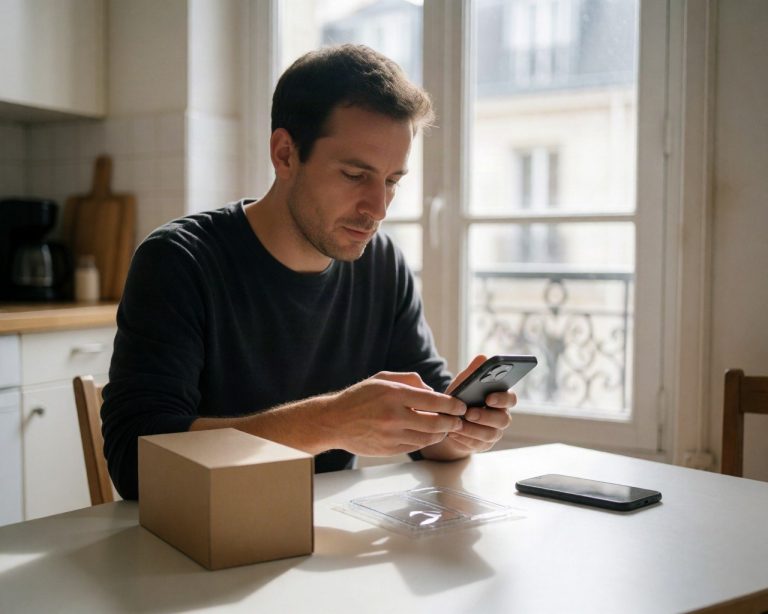
Next, buy all the eSIMs in one session at france esim with number. Each QR code arrives by email within minutes. Then sit everyone down and install one device at a time: on iPhone, Settings, then Mobile Data, then Add eSIM, and scan the code. Android is nearly identical under Connections or Network settings. Allow five to ten minutes per phone.
Finally, three small steps that prevent almost every support issue: switch data roaming on for the new eSIM line, rename the line to something like France in the SIM settings so nobody confuses it with their home SIM, and send one test text between family members. Do all of this at least a day before departure so any question gets solved calmly at home rather than at the gate.
For younger children who do not carry their own phone, a parent can install the child’s eSIM on a family tablet or spare device, or simply skip it. The eSIM sits alongside the home SIM, so every phone keeps its original number active for the entire trip.
A Quick Pre-Departure Checklist
Confirm each device is eSIM compatible and unlocked. Choose plans by trip length and how heavily each person uses data. Buy one eSIM per family member and keep the QR code emails somewhere everyone can reach, such as a shared cloud folder. Install and label each eSIM at home. Turn on data roaming for the eSIM line. Test with a call or text. Share everyone’s new +33 numbers in the family group chat.
That is the entire project. No contracts, no commitments beyond the plan validity, and if you extend the trip into other countries, coverage across 39 EU and UK regions means the same eSIM keeps working from Nice to Amsterdam.
Ready to set your family up? Compare all plans and buy for the whole group at france esim with number. Activation begins the moment each person scans their QR code.
Frequently Asked Questions
Can our family share one France eSIM?
No. An eSIM is tied to one device and one phone number. Sharing means only one person has a reachable number, and every verification code lands on that single phone. Data can be shared briefly by hotspot, but for independent reachability each person needs their own eSIM and their own +33 number.
Do kids’ phones and tablets support eSIM?
Most devices from the last four to five years do, including iPhone XS/XR and newer, cellular iPads, and recent Samsung and Google models. Older or budget devices may not, so check the manufacturer specifications. A non-compatible phone can still join a family member’s hotspot for data; it just will not have its own number.
Can we call each other within France for free?
Yes. Every plan includes unlimited calls and SMS across 39 European regions, France included. Family members calling each other on their +33 numbers pay nothing extra, and the calls work over the normal mobile network with no internet required.
Do we lose our home numbers while using the France eSIM?
No. The eSIM installs alongside your physical home SIM and modern phones run both lines at once. Most families set the French eSIM as the default for data and calls while abroad, and the home number stays active and reachable the whole time.
How long does setup take for a family of four?
Buying all four eSIMs takes a few minutes and the QR codes arrive by email almost immediately. Installation runs five to ten minutes per phone, so the whole family is typically done in 30 to 40 minutes. Do it at home before you travel.
Is there a family discount for buying several eSIMs?
Plans are priced individually, and the standard pricing already undercuts roaming by a wide margin. Four people on the 20GB plan pay about 71.60 euros for a two-week trip, less than many families spend on a single day of unmanaged roaming.
What happens if someone uses up their data mid-trip?
Their +33 number keeps working for calls and SMS even after the data allowance runs out, so nobody becomes unreachable. They can buy an additional plan for more data. Heavy users are usually better served by starting with the 30GB option.
Can people at home call us on the French numbers?
Yes. A +33 number receives calls from anywhere in the world; callers simply dial it as an international number. Your home number also remains live on your original SIM, so you are reachable on both throughout the trip.