Best Europe eSIM: French Phone Number
Why a French Phone Number Might Be the Missing Piece of Your Europe Setup
Most travel eSIM advice stops at data. Pick a plan, scan a QR code, and you’re online from Lisbon to Helsinki. But ask anyone who has actually tried to live, work, or even just travel seriously in Europe, and a different problem surfaces fast: you can have perfect 5G coverage and still be locked out of half the things you need to do, because you don’t have a European phone number. Booking confirmations that only arrive by SMS. Restaurants that call to confirm your table. Banks, delivery drivers, landlords, and recruiters who all expect to reach you on a local line. That’s where a second eSIM with a French phone number changes the game – even if your primary eSIM already handles data beautifully.
France sits at the heart of the European network, both literally and practically. A French +33 number is recognised and trusted across the continent, works seamlessly under EU roaming rules, and signals to anyone who sees it that you’re reachable in Europe on European terms. This guide covers who benefits most from adding one, what a number can do that data alone can’t, and how to choose the best europe esim with number for your situation in 2026.
TL;DR
A data-only eSIM keeps you online, but a French phone number eSIM keeps you reachable. Travellers use it for restaurant bookings, two-factor SMS codes, and taxi apps. Digital nomads use it for banking, coworking sign-ups, and client calls. Job seekers use it so French and European recruiters actually ring them back. Locals and expats use it as a clean second line that separates work from personal life. The smartest setup in 2026 is a dual-eSIM arrangement: your existing data plan for browsing, plus a French number eSIM for calls, texts, and verification. Europe Number offers exactly this – a real +33 French mobile number on an eSIM with Europe-wide coverage, activated in minutes without a French address or local paperwork.
The Data-Only Blind Spot: What Your Current eSIM Can’t Do
Travel eSIMs exploded in popularity because they solved the most visible pain point – expensive roaming data. What they quietly ignored is that a huge share of daily life in Europe still runs on voice calls and SMS to local numbers. This isn’t nostalgia; it’s infrastructure. European businesses, government services, and verification systems are built around the assumption that a real person has a real European number.
Consider what happens without one. You book a table at a bistro in Lyon and the confirmation call goes nowhere, so your reservation is quietly dropped. You try to create an account with a French bank, a BlaBlaCar profile, or a Leboncoin listing, and the SMS verification code never arrives because the platform won’t send codes to your home country’s number – or charges you to receive them. A delivery driver with your package circles the block, calls a number that rings out in another timezone, and takes your parcel back to the depot. None of these are data problems. All of them are number problems.
Two-factor authentication is the sharpest edge of this. As European platforms tighten security under EU regulations, SMS-based verification tied to a European number has become the default gatekeeper for everything from payment apps to ticket resale platforms. Travellers relying on a home-country number often find codes delayed, blocked, or subject to painful roaming charges – assuming their home SIM is even active while abroad. A French number on a second eSIM receives those codes instantly, at local rates, wherever in Europe you happen to be standing.
Who Benefits Most from a French Number eSIM
Travellers and holidaymakers
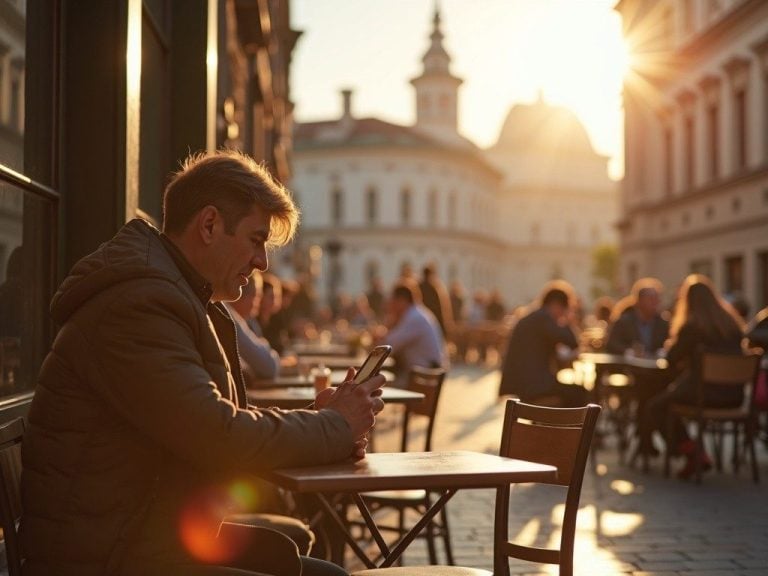
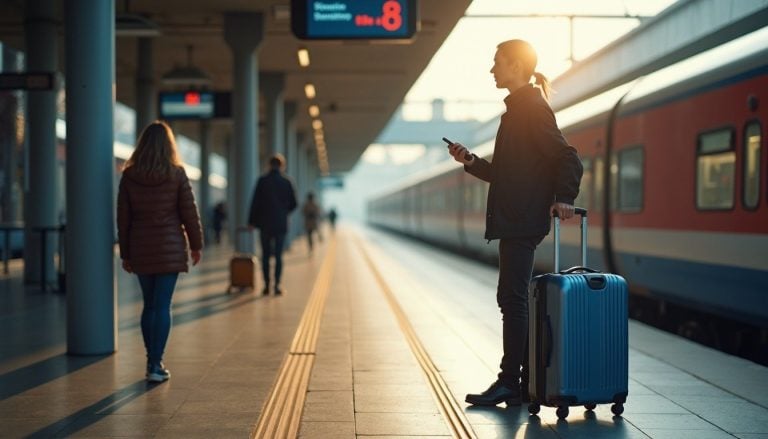
Even a two-week trip generates a surprising amount of phone traffic: hotel front desks confirming late arrivals, tour operators texting meeting points, restaurants calling about reservations, and car hire firms ringing about pick-up times. With a French number active alongside your data eSIM, all of it just works. You can also hand out a European number to new acquaintances without exposing your home number – useful for both privacy and cost, since anyone calling you dials a local European line rather than an international one.
Digital nomads and remote workers
Nomads feel the number problem most acutely because they interact with European systems constantly – coworking memberships, neobank accounts, accommodation platforms, and local classifieds for everything from furniture to bikes. A French number provides the stable European identity that data-only setups lack. It stays the same as you move from Porto to Prague, which means your banking 2FA, your WhatsApp Business profile, and your client-facing contact details never change even as your location does. For anyone invoicing European clients, a +33 number on the signature line reads as established rather than transient.
Job seekers targeting the European market
This is the most underrated use case. Recruiters are pattern-matchers: a CV with a foreign mobile number signals visa complications, timezone friction, and relocation risk before a single word is read. A French number removes that friction instantly. Recruiters in Paris, Brussels, and Geneva can call you as easily as any local candidate, and applicant tracking systems that validate phone fields against European formats accept your application without a hiccup. Candidates hunting for roles across the EU increasingly treat a European number as basic job-search hygiene, the same as a professional email address.
Locals, expats, and second-line users
Plenty of people already living in Europe add a French eSIM number as a deliberate second line. Some want to separate professional calls from personal ones without carrying two phones. Others use it as a privacy buffer for marketplace selling, dating apps, or short-term rentals – anywhere you’d rather not hand your main number to strangers. Because it lives on an eSIM, the second line adds no bulk, no extra device, and no monthly contract drama.
What a French Number Does That Data Alone Never Will
It helps to be concrete about the capability gap. A French phone number eSIM gives you a genuine +33 mobile number that can make and receive calls across Europe, send and receive SMS – including the verification codes that gate European banking, ticketing, and e-commerce platforms – and present a local caller ID that European businesses and individuals actually answer. Calls from unknown foreign numbers get screened; calls from French mobiles get picked up.
It also future-proofs your setup. Under the EU’s Roam Like at Home framework, a French number roams across the entire EU and EEA without surcharges, so your Marseille number works identically in Madrid, Munich, and Milan. The European Commission’s official roaming guidance confirms these protections have been extended through the next decade, which makes a French number one of the most durable telecom assets a Europe-focused person can hold. French numbering itself is regulated by ARCEP, France’s telecom authority, which means your +33 number is a real, portable, regulator-backed asset rather than a virtual novelty that might vanish when an app shuts down.
There’s a softer benefit too: presence. A European number on your booking profiles, your CV, and your marketplace listings tells every system and every person that you are operating inside Europe. That single signal smooths dozens of small interactions a week in ways you only notice once you have it.
How a Second eSIM Works Alongside Your Primary Plan
Modern smartphones made this arrangement almost effortless. Every iPhone since the XS and most Android flagships and mid-rangers from the last five years support dual SIM via eSIM, and recent models can store multiple eSIM profiles with two active simultaneously. In practice, your setup looks like this: your existing data eSIM handles internet traffic, while the French number eSIM sits active for calls and texts. Your phone’s settings let you assign roles – data through one line, voice and SMS through the other – and both stay live at the same time.
The day-to-day experience is seamless. When a French recruiter calls, your phone rings normally. When a verification code arrives, it lands in your standard messages app. When you browse, stream, or navigate, the data flows through whichever plan you’ve designated. There’s no app-switching, no separate device, and no juggling. If you travel beyond Europe, you simply toggle lines on or off as needed, and your French number waits patiently for your return – it doesn’t expire just because you spent a month elsewhere.
Setup takes minutes. You receive a QR code, scan it in your phone’s settings, label the new line something sensible like “France +33”, and choose how your phone should split duties between lines. Anyone who has installed a travel eSIM before will find nothing unfamiliar here, and first-timers generally get it done inside a coffee break.
Choosing the Best Europe eSIM with a French Number in 2026
Not all number-included eSIMs are equal, and the differences matter. Here’s what separates a genuinely useful French number eSIM from a disappointing one.
A real mobile number, not a virtual one
Some services sell VoIP or “virtual” numbers that exist only inside an app. These fail exactly when you need them most: platforms that verify numbers against carrier databases reject them, SMS codes from banks silently disappear, and call quality depends on your data connection. Insist on a genuine +33 mobile number provisioned on real network infrastructure. That’s the difference between a number that works everywhere and a number that works sometimes.
No French paperwork required
Buying a SIM in France traditionally involves identity checks and sometimes proof of address – a hard blocker if you’re not there yet or don’t have a French address at all. The best providers handle compliance on their side so you can activate remotely, before you travel, with nothing more than an email and a payment method. Getting your number sorted before departure means you land already reachable.
Europe-wide coverage under one number
Your French number should follow you across the continent. Check that the eSIM roams across the EU, EEA, and ideally the UK and Switzerland, with calls and SMS working identically everywhere. This is where a purpose-built europe esim outperforms a domestic French SIM bought over the counter, which may throttle or restrict extended roaming outside France under fair-use rules.
Transparent pricing and simple renewal
Look for clear upfront pricing, no hidden per-SMS fees for receiving messages, and painless renewal so your number – which quickly becomes woven into your accounts and contacts – never lapses accidentally. A number you lose after 90 days of light use is a liability, not an asset.
Why Europe Number Is the Standout Pick
Europe Number was built around precisely this use case: a real French mobile number, delivered as an eSIM, activated online in minutes, with coverage across Europe. There’s no French address requirement, no in-store identity queue, and no contract lock-in. You order, scan, and you’re reachable on a +33 number before you’ve packed your bags.
The plans are designed for the people this article describes. Travellers get a number that makes local bookings effortless and keeps them reachable for the length of a trip. Nomads get a stable European identity that survives border-hopping. Job seekers get a local number recruiters actually dial. And because the number rides on real mobile infrastructure rather than a VoIP overlay, SMS verification from banks, ticketing platforms, and government services arrives reliably – the make-or-break detail that separates serious providers from app-based novelties. Pairing it with your existing data plan takes one settings screen, and pairing it with a Europe Number data bundle makes the whole setup one provider, one dashboard, zero friction.
Common Pitfalls to Avoid
A few mistakes come up repeatedly with second-number setups, and all are avoidable. Don’t wait until you’ve landed to sort your number – activation before departure means your accounts, bookings, and contacts are ready on day one. Don’t assume your home number will handle European 2FA reliably while roaming; delayed codes have locked plenty of travellers out of their own bank accounts at the worst possible moment. Don’t buy a bargain virtual number for anything involving money or identity – carrier-grade or nothing. And check your phone is carrier-unlocked and eSIM-capable before you buy any plan; a two-minute check in settings saves an annoying refund conversation.
Finally, don’t treat the number as disposable. Within a month it will be attached to your bookings, verification flows, and professional contacts. Choose a provider you can stay with, keep the line renewed, and the number compounds in value the longer you hold it – exactly like a good email address.
The Bottom Line
Data gets you online; a number gets you included. For travellers, digital nomads, job seekers, and anyone living between European countries, a French phone number eSIM fills the exact gaps that data-only plans leave open – calls answered, codes received, bookings honoured, recruiters connected. With dual-eSIM phones now the norm, running a French number alongside your existing plan costs almost nothing in effort and pays off daily. If you’re weighing up options, a purpose-built europe esim with number from Europe Number is the cleanest way to get a real +33 line working across the continent – often before your flight even boards. And if you’re starting from scratch, bundling your number with a europe esim data plan keeps everything under one roof.
Frequently Asked Questions
Can I get a French phone number without living in France?
Yes. Providers like Europe Number let you activate a real +33 French mobile number on an eSIM entirely online, with no French address, no in-store identity check, and no local paperwork. You can set it up before you travel and land in Europe already reachable.
Do I need a French number if my travel eSIM already has data?
Data covers browsing, but many European services rely on calls and SMS to a local number – restaurant confirmations, delivery drivers, bank verification codes, and recruiter calls. A French number eSIM running alongside your data plan fills exactly those gaps.
Will a French number work in other European countries?
Yes. Under the EU’s Roam Like at Home rules, a French +33 number works across the EU and EEA without roaming surcharges, so calls and SMS function identically whether you’re in Spain, Germany, Italy, or beyond.
Can I run two eSIMs at the same time on one phone?
Most modern smartphones support dual SIM with two active lines. You can assign your existing eSIM to handle data while the French number eSIM handles calls and SMS, and both stay live simultaneously with no app-switching.
Will SMS verification codes from banks work on an eSIM number?
They will if the number is a genuine carrier-grade mobile number rather than a virtual VoIP line. Real +33 mobile numbers pass the carrier checks that banks, ticketing sites, and government platforms use, so verification codes arrive reliably.
Does a French number help with job applications in Europe?
Significantly. A local +33 number on your CV removes the relocation-risk signal a foreign number sends, lets recruiters call you at local rates, and passes the European phone-format validation many applicant tracking systems enforce.